

The Power of Expression Through Movement
(And Why It’s Not Just for Dancers)
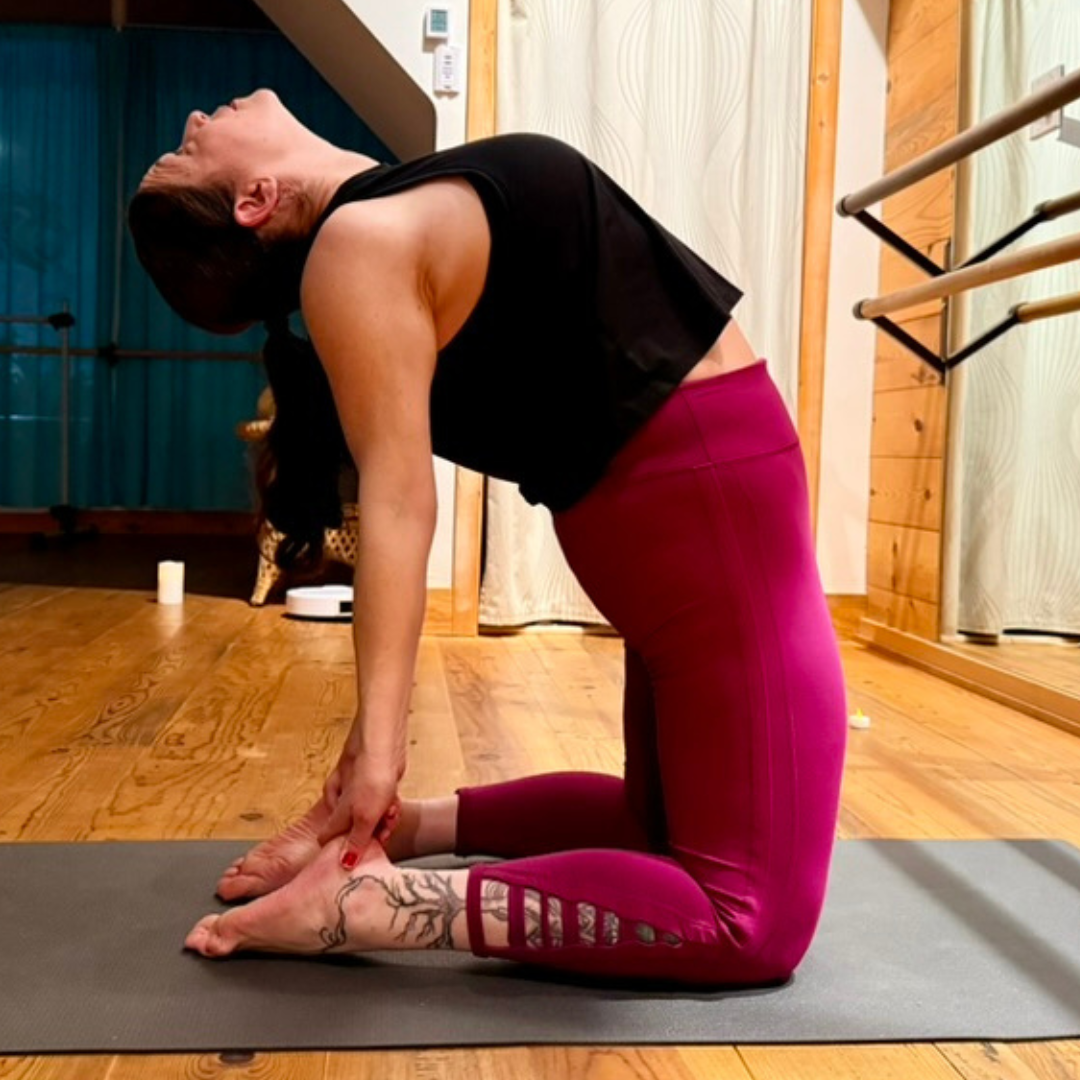
For a long time, I thought “expressive movement” belonged to dancers. Dance was reserved for people who had the talent to express themselves through traditional forms like ballet, contemporary, modern, and jazz.
I loved dance growing up. I first dreamed of becoming a Solid Gold dancer, and then a Fly Girl. I was obsessed with Soul Train and idolized Janet Jackson and Paula Abdul. If I hadn’t fallen in love more with music, I would have studied dance. Instead, I played alto sax for ten years.
Meanwhile, I took every kind of dance-fitness class I could find, from African and jazz to hip hop, Zumba, burlesque, and belly dancing. It brought me joy and connected me to my body in new ways.
I remind my students that my dance background is recreational and that most of my experience is from “clubbing,” which usually gets a laugh. But my real intention is to reassure them that they don’t have to be a dancer to 1) train like one and 2) feel like one. They just have to be willing to dig a little deeper, push their boundaries, and learn how to express themselves through movement. The same is true for yoga.
However, this is easier said than done. We work out mainly for physical benefits: to burn calories, get stronger, be more flexible, and live longer. And all of that matters. But as a culture, we’ve turned fitness into something we measure, track, and optimize. It’s gamified. It’s socialized. Entire platforms are built around it.
At the same time, we’re taught that mindfulness and self-expression belong in yoga, Pilates, or dance spaces, not in group fitness classes.
One of the biggest myths in fitness is that movement is only valuable if it’s efficient, measurable, or corrective. Don’t get me wrong. I care deeply about smart programming, safety, strength, mobility, and longevity. But when movement becomes only about optimization, we lose something essential.
Fields like somatics and dance/movement therapy have been saying this for decades: how we move, breathe, and pay attention to sensation directly affects our stress levels and emotional state. Movement is mechanical, yes. But it’s also neurological and emotional.
That’s why we need to bring self-expression from dance and philosophy from yoga into group fitness. The benefits of working out have never been just physical. We move for our mental health. We move for our emotional well-being. We move to regulate stress, to process what we’re carrying, and to feel more at home in our own bodies.
Fusing Philosophy and Physiology
Why should a yoga class be the only place where movement gets to be cathartic, healing, or even spiritual?
We don’t leave our nervous systems at the door when we walk into a fitness class. We come in carrying physical and emotional baggage. Why shouldn’t a functional fitness or strength-based class offer the same kind of release?
Expression isn’t about looking impressive. It’s about releasing stored tension and emotion from the body. As instructors, how do we encourage our students to do that? We already juggle so many cues: directional, form, motivational. We read the room. We adjust on the fly.
But after ten years of teaching yoga and fitness, many of those things have become second nature. That’s given me the space to offer emotional cues that speak directly to the nervous system.
Here are a few examples you can bring into any fitness class:
Ground down to your power.
Tall spine, proud chest.
Long, open-mouth exhale.
Sigh it out.
Surrender fully.
Notice how this pose, or exercise feels in your body.
Let your breath guide your depth.
You can also ask questions that bring students back into their bodies:
Where does your mind go when it gets tough? Stay present and breathe through it.
Explore this in your body. Notice what you’re feeling.
How do you feel? Where do you feel it?
Check in with your head space, heart space, emotional space. Notice what comes up, without judgment.
This isn’t just poetic language. Research in somatics and mind–body medicine shows that intentional movement and breath directly affect the nervous system, helping shift the body out of stress states and into regulation. In other words, movement doesn’t just train muscles. It trains your nervous system, too.
Music Gives Movement Meaning
When movement reflects the mood, lyrics, or rhythm of the music, a workout becomes a more meaningful and impactful experience. You’re not only performing exercises. You’re expressing and releasing through them.
This kind of embodiment creates deeper engagement. Movement can feel cathartic, healing, energizing, or grounding, depending on how the music connects with the work. The body doesn’t just respond to physical cues. It responds to emotional and auditory ones, too.
People move with more effort, focus, and presence when they feel emotionally connected to the music. The sweet spot is balancing your own taste with what resonates with your class.
Music gives movement context, emotion, and depth. And that’s what opens the door for people to go deeper.
In the end, people don’t come back just for the workout. They come back for you, your style, your music, and the way your class made them feel.
Music Playlists
I create “curating” playlists in Spotify that have dozens of hours of songs that fit the theme. Whenever I want to make a mix for Barre Fusions or Yoga classes, I scrub through the giant playlist and drag songs into my class playlist.
Below are a few of my Curating Playlists and examples of playlists.
Feel free to scrub through my themes to create your own mixes! That is one of the easiest ways to make a workout more powerful.
Follow me on Spotify here.
Curating Playlists
Class Playlists (1 hr)
Yoga: Recovery, Healing and Self-Discovery
Yoga: Truth, Lies and Forgiveness
Yoga: Truth, Lies and Forgiveness v2
If you want to learn more about fusing formats and philosophies, check out The Art of Fusing Formats workshop!